CAMBODIA
Kampong Chhnang: Everyday life on Cambodia’s Tonle Sap River
A slower side of Cambodia shaped by the rhythms of the Tonle Sap River
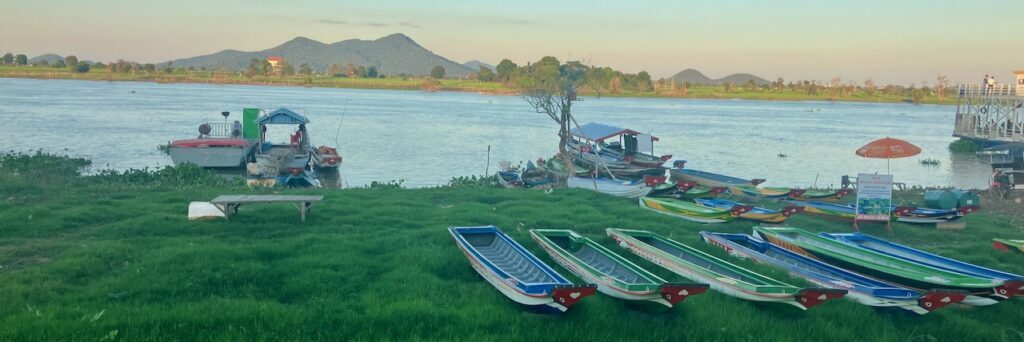
Most travellers to Cambodia typically visit the capital, Phnom Penh, or Siem Reap, home to the famous Angkor Wat temple complex. For many years, Sihanoukville served as a peaceful coastal escape, though recent Chinese investment has transformed much of the city into a bustling casino hub, often dominated by harsh architecture that has altered its character. To experience a slower pace of Cambodian life, it is worth spending a night or two in one of the country’s smaller towns. Kampong Chhnang, located around 90 minutes by bus from Phnom Penh, is a good example
Shaped by the rhythms of the Tonle Sap River, which changes dramatically between the dry and wet seasons, the town offers a glimpse into a more traditional side of Cambodia. I first visited Kampong Chhnang around 18 years ago and returned for a day and night in late 2024 to see how much, or how little, had changed.
Kampong Chhnang at a glance
- Traditional Cambodian river town shaped by the changing seasons of the Tonle Sap
- Just 90 minutes from Phnom Penh but far removed from the capital’s pace
- Historically known for pottery, fishing and riverside trade
- Riverside life and stilted homes reveal a slower side of everyday Cambodia
- A rewarding stop for travellers wanting to experience Cambodia beyond the main tourist circuit
Kampong Chhnang : Cambodia's port of pottery
Kampong Chhnang has been an important port town in Cambodia since ancient times, long known for its production of pottery, stoves, pots and pans. The name Kampong Chhnang comes from two Khmer words: “Kampong,” meaning “port” or “harbour,” and “Chhnang,” meaning “pottery.” The economy of Kampong Chhnang province, which shares the town’s name, still revolves largely around rice farming, fishing and traditional crafts, particularly pottery. While there is some modern industrial activity, it remains far less prevalent than in Phnom Penh province.
According to the 2019 census, Kampong Chhnang province had a population of 527,027, up from 472,341 in 2008, while Kampong Chhnang city itself recorded just over 41,000 residents. Although the rapid outward growth of Phnom Penh is gradually creeping into the southernmost part of the province, Kampong Chhnang still feels distinctly separate from the capital’s orbit. That said, the newer railway linking Phnom Penh with Battambang and beyond bypasses the town entirely, limiting some of the transport-driven development seen elsewhere.
Until recently, many people living along the Tonle Sap River were part of floating fishing villages, particularly during the high-water monsoon season. However, the last of these villages was dismantled at the end of 2022. The relocation effort began in 2015, when local authorities launched a seven-year programme to move families from the river to land-based communities. By the end of the project, around 2,000 families had been relocated, many of them from Vietnamese and Cham communities. While the floating villages represented a traditional way of life, they also placed considerable pressure on the river’s natural environment. Biodiversity in the Tonle Sap declined, while pollution became a growing concern as the river was used both as a water source and a waste depository.
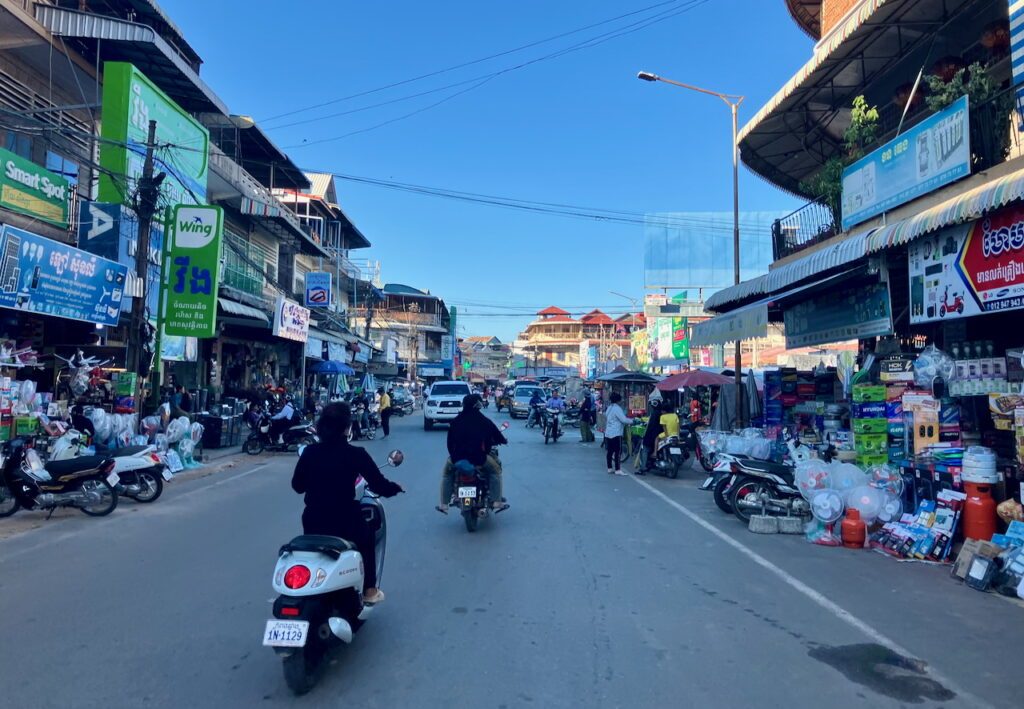
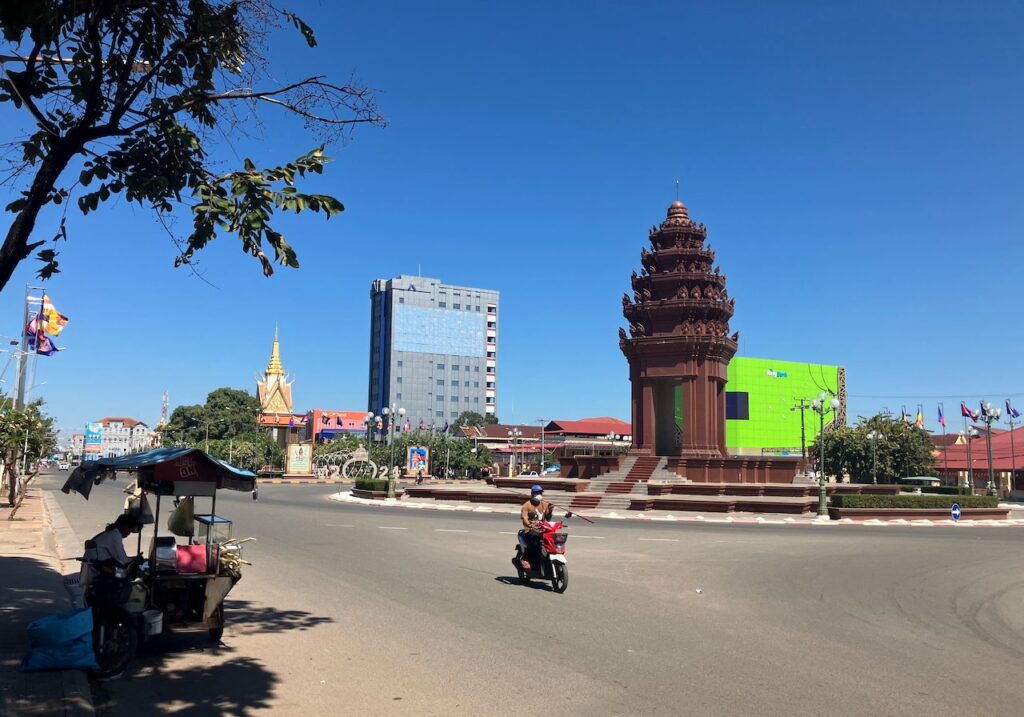
The town itself has the typical bustling markets found across smaller Cambodian towns. There are several monuments, including a replica of the Independence Monument [map]. You can easily stroll around the centre in about an hour, soaking up the atmosphere of a provincial Cambodian market town. A pleasant walk leads to the riverbank, around 45 minutes on foot or a short motorbike ride away. Nearby is Yeay Tep Pagoda [map], which feels particularly welcoming to foreigners, perhaps due to the relatively small number of visitors.
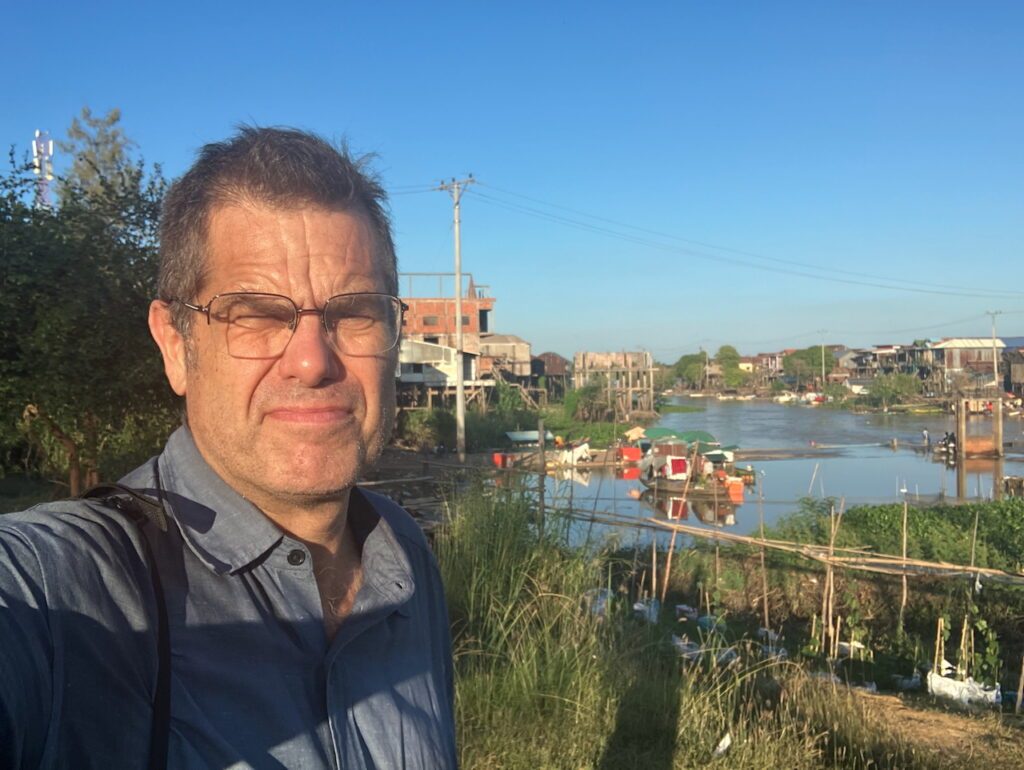
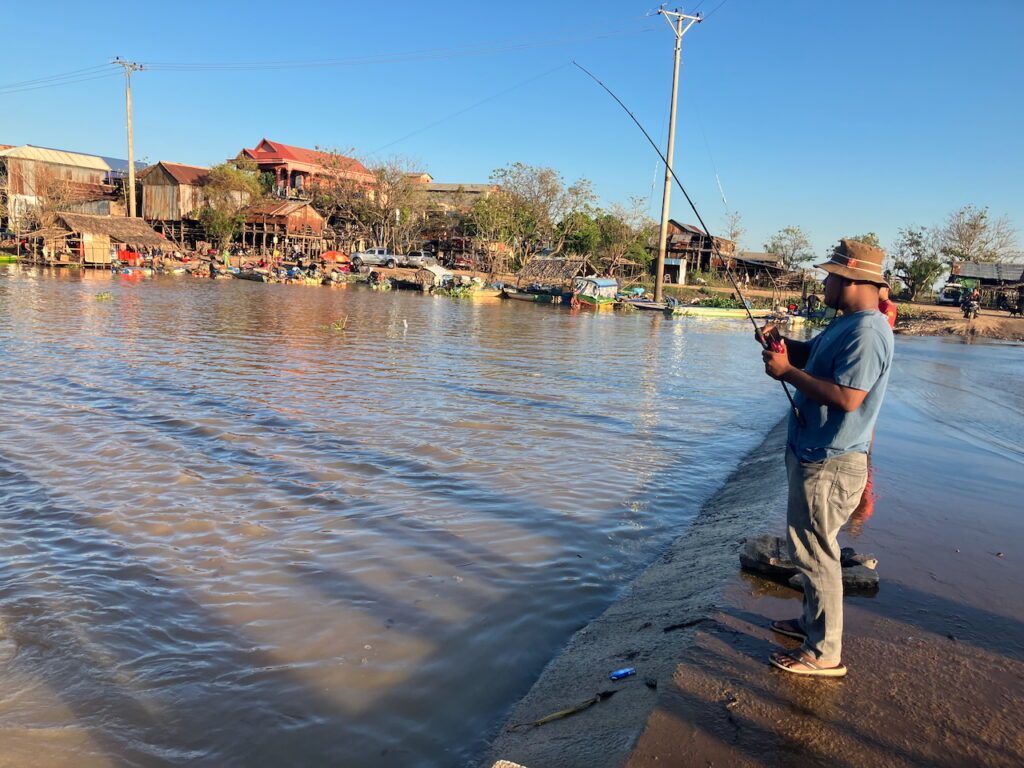
Life by the Tonle Sap
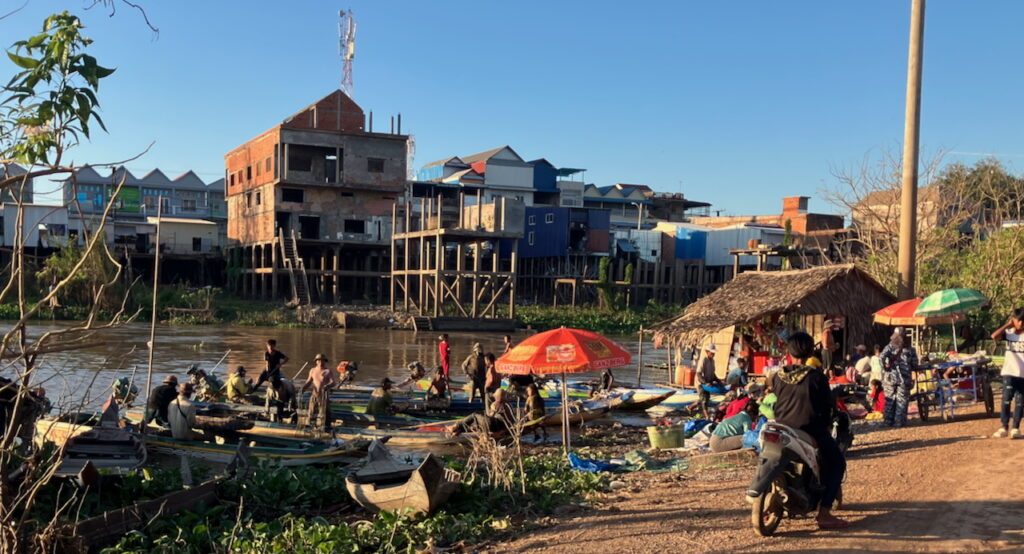
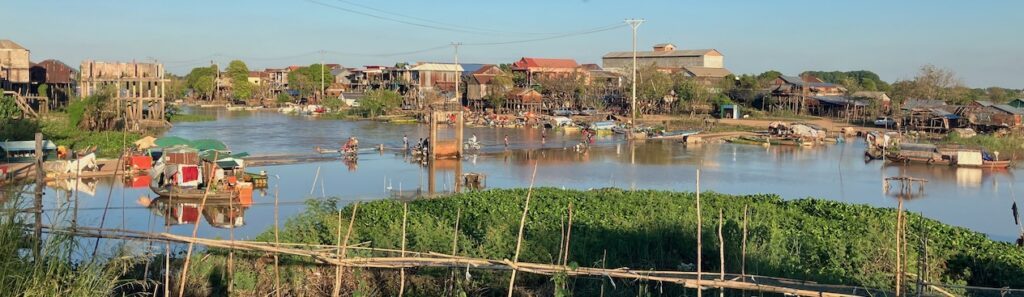
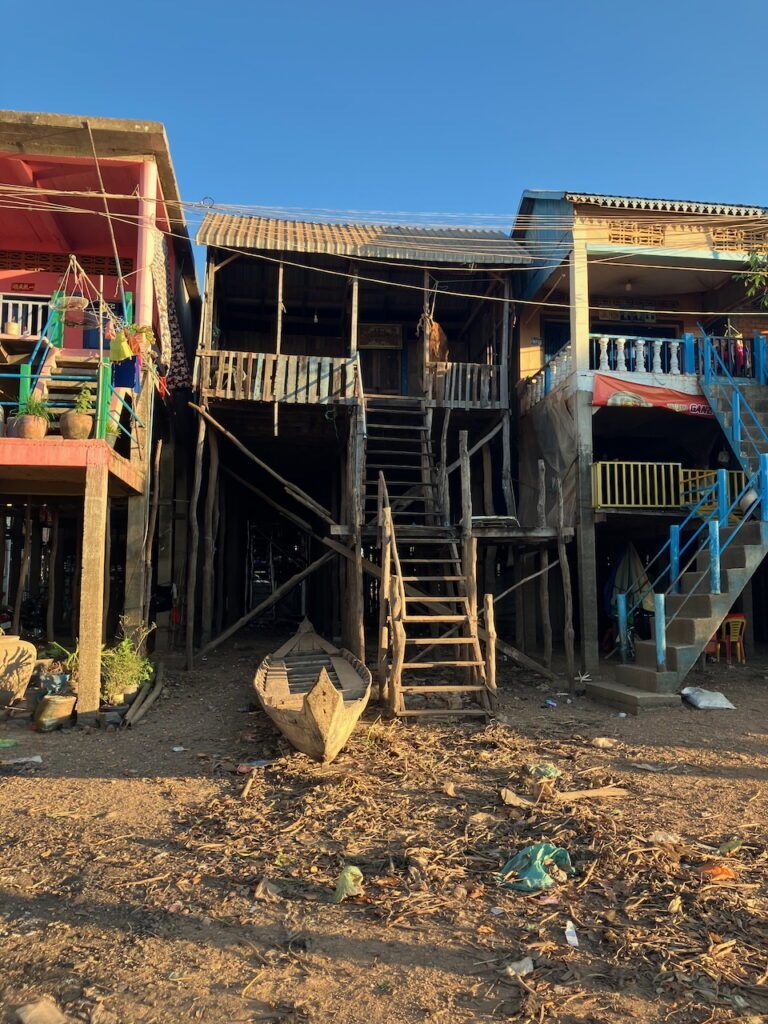
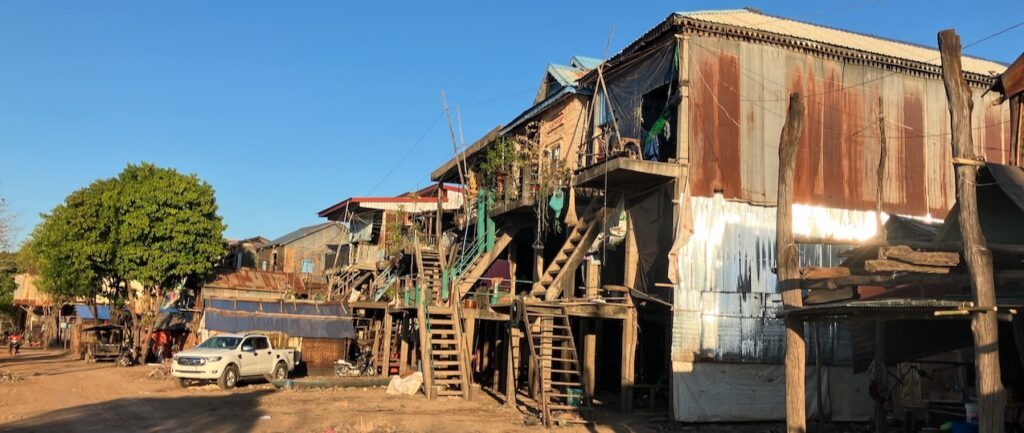
I visited the river area at the beginning of the dry season, when it was still possible to ford parts of the river to get around. By early in the year, this area is typically completely dry, but the scene changes dramatically during the rainy season, when the Tonle Sap rises. A clear indicator of the seasonal flooding across the country is the architecture: buildings in flood-prone areas are constructed on stilts, with the ground floor often used as a temporary garage or storage space during the dry season. Along the riverbank, these elevated structures are especially prominent.
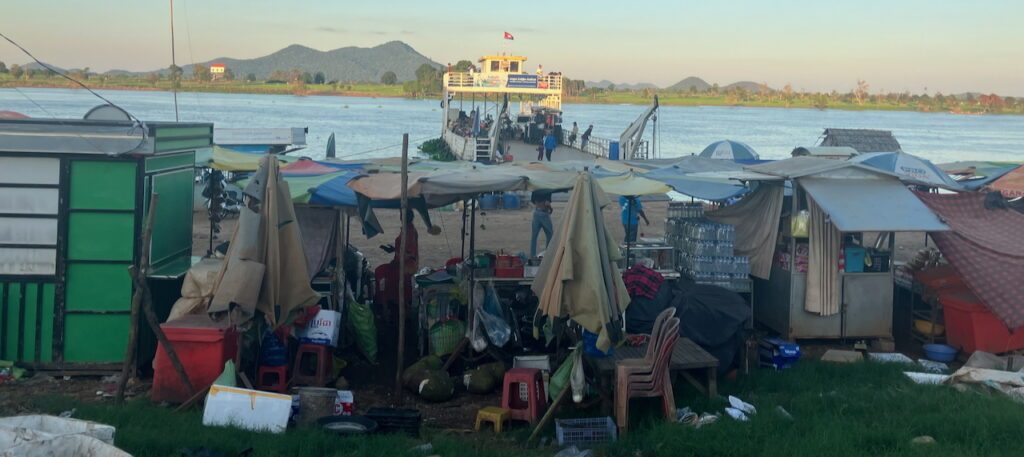
Walking along the river was a truly pleasant experience. The views and the daily rhythms of village life were captivating. Although the river dwellings have been dismantled, which may reduce some of the sights for tourists, the overall atmosphere remains worth experiencing. The locals were generally unobtrusive, except for one woman who offered me a boat tour—though it was already too late in the day for that.
On my way back to town, I took an alternative side road where I was warmly greeted by children calling out cheerful “hellos,” adding a delightful personal touch to the journey.
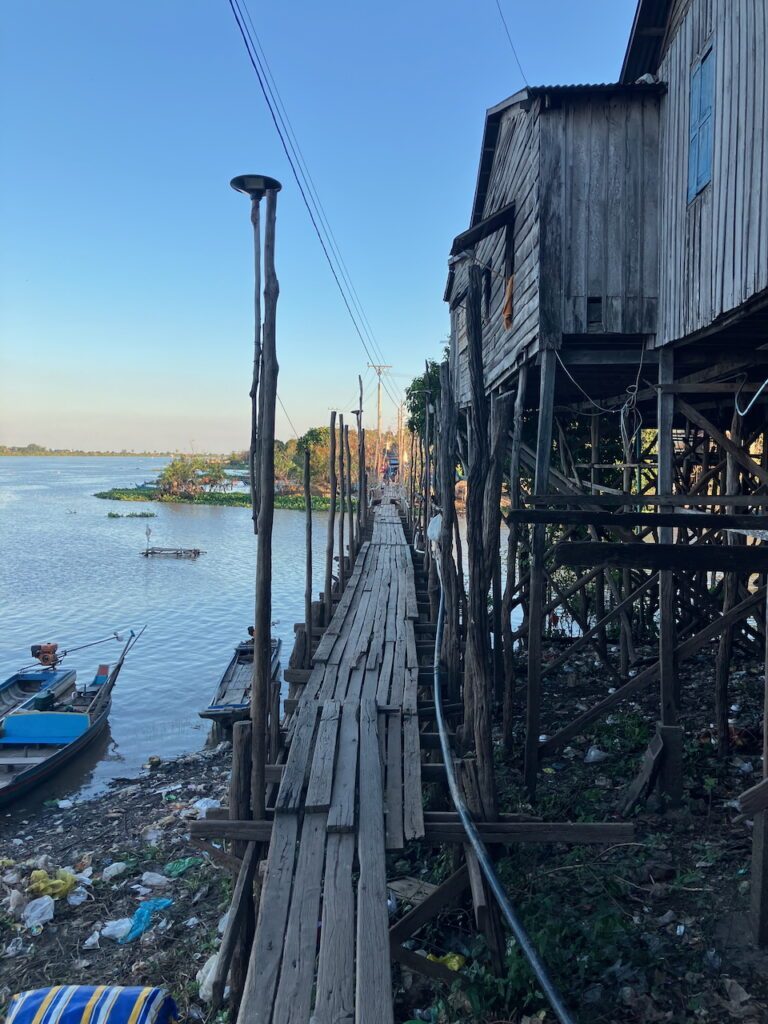
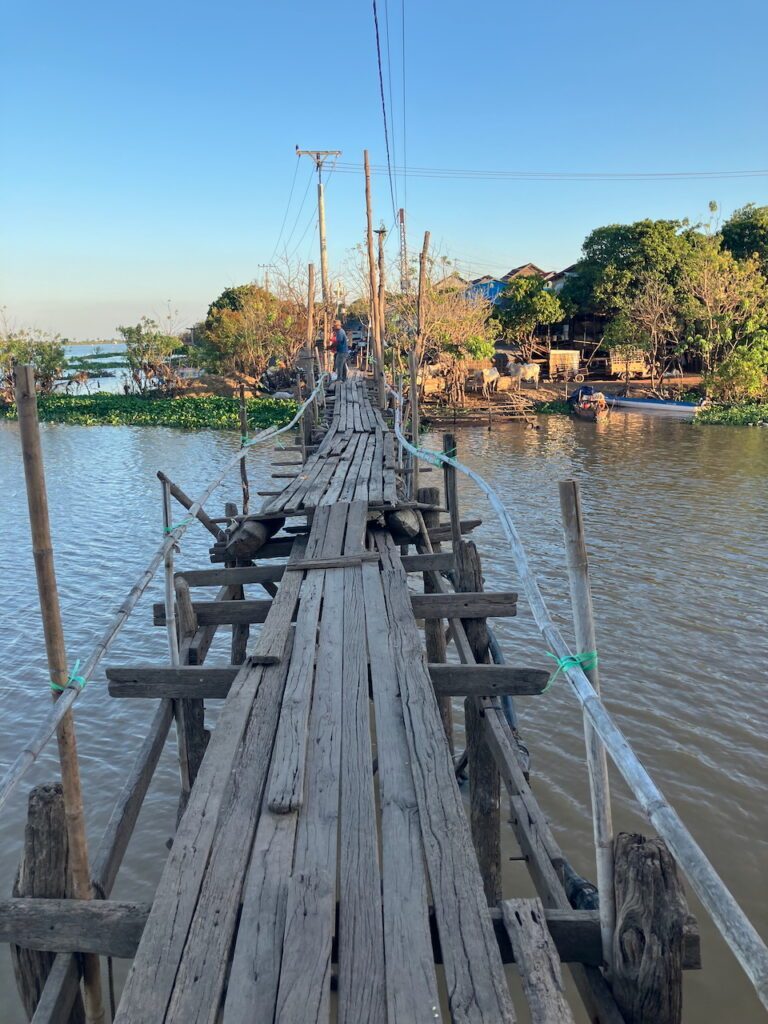
The raw side of a smaller Cambodian town
In smaller towns like Kampong Chhnang, the daytime atmosphere can be captivating, but evenings bring a different challenge. People in agriculturally based communities generally live according to the rhythm of sunrise to sunset. Even those living in town tend to follow this routine, with early mornings and early nights. As a result, nightlife is limited, and Kampong Chhnang is no exception.
During my visit around 18 years ago, the town had just one run-down hotel and a single restaurant that closed around 7 p.m. I remember hiring a motorbike taxi rider who took me around for half a day. In the end, he invited me to his home, where he, his wife and young child lived in a small shack powered by a car battery that ran a dim light and tiny black-and-white television for a few hours each evening.
Today, life in Kampong Chhnang appears to have improved, although poverty remains widespread. The town feels livelier, with a handful of restaurants catering to foreign visitors, complete with roughly translated menus. Entertainment, however, still comes from the most unexpected sources — such as a cat meowing persistently in the background while eating dinner.
There are a few coffee shops open during the day, including the once ever-present Thai chain Café Amazon, where, during my visit, it was still possible to enjoy an iced latte in air-conditioned comfort. Likewise, a 7-Eleven offered a convenient place to sit and watch local life drift by in the cooler evenings. However, following the deterioration in Thai–Cambodian relations after the 2025 border conflict, both Café Amazon and 7-Eleven have been shutting down across much of Cambodia, particularly outside the larger urban centres, as Thai-linked businesses face boycotts, supply disruptions and franchise uncertainty.
This creates some uncertainty over how many familiar creature comforts smaller towns such as Kampong Chhnang will retain in the future. While a few supermarkets exist, they tend to be located further outside town. There are also a handful of local bars scattered around, though they would probably feel more welcoming if you had a Cambodian friend with you. Overall, there are still just enough places to make the evenings tolerable, but towns like Kampong Chhnang are best appreciated during the day.
Kampong Chhnang for visitors
If travelling directly between Siem Reap and Phnom Penh, buses usually take the faster eastern route via Kampong Thom. However, if you want to experience a slower side of Cambodia and visit a few smaller towns along the way, the western route is arguably more rewarding. From Phnom Penh, it is possible to stop at Kampong Chhnang, Pursat, Battambang and Sisophon, all of which have accommodation and places to eat — though options are noticeably better in Battambang.
Spending a night in one or two of these towns is a good way to experience a more traditional side of Cambodian life without too much hardship. Many bus companies operate along this route, with stops in most of these towns. Although the newer rail line connecting Phnom Penh to Battambang and beyond bypasses Kampong Chhnang, the town remains easy enough to reach by road.
There are now a few hotels and guesthouses in Kampong Chhnang, mostly not far from the town centre. I stayed at The Garden Guest House [map], around a five-minute walk from the centre, which was friendly, clean and perfectly adequate for a night or two. As mentioned, food options remain fairly limited. Vann Sokleap Restaurant, located very close by, served basic fried rice and noodle dishes with an English menu — accompanied by a rather vocal meowing cat in the background.
During my previous visit around 18 years ago, I felt like the only foreigner in town. However, with Cambodia’s growing tourism industry, more visitors are venturing beyond the country’s better-known destinations in search of something different. On this visit, I noticed a small but increasing presence of tourists. A few had checked into the same hotel as me, and I saw two foreign couples dining at a nearby restaurant. At the local 7-Eleven, I even spotted what appeared to be an expat stocking up on supplies. As in many places like this, there are probably more expatriates and long-term visitors quietly blending into the local scene than first appears.
Tonys' takeaway

If you’re visiting Cambodia for an extended period, I would recommend spending at least a few days away from the country’s main tourist hotspots. While places such as Phnom Penh and Siem Reap can be fascinating, they do not offer a complete picture of Cambodian life, which in smaller towns can still feel not too far removed from how things may have been a century ago.
Progress is taking place, but at a gentler pace, and Kampong Chhnang is a good place to appreciate a way of life shaped more by the rhythms of nature than by constant human intervention. You may still be able to enjoy an iced latte — though if not, at least one will probably be waiting for you at your next destination soon enough.