MOROCCO
Time for the blues in Chefchaouen
Morocco’s famous Blue City offers a colourful mix of mountain views, winding streets and a slower pace of life.
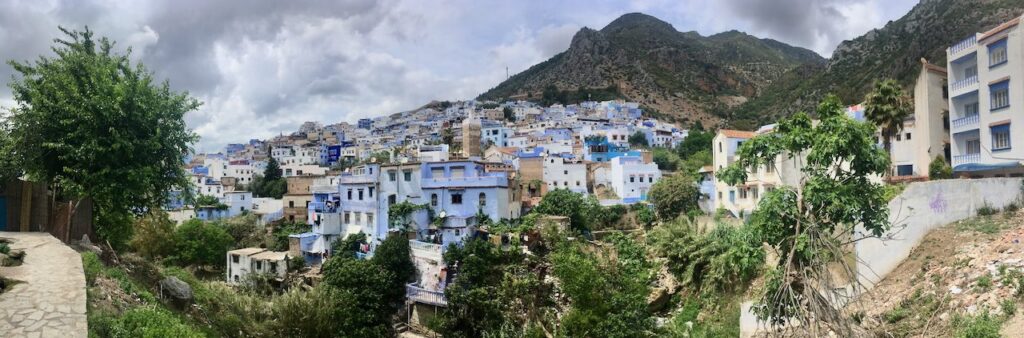
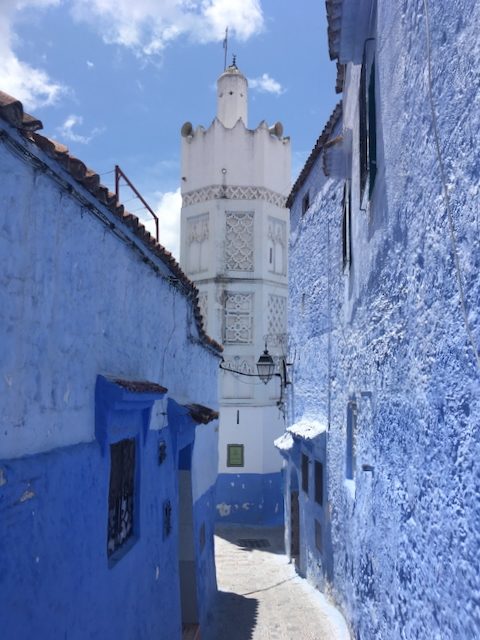
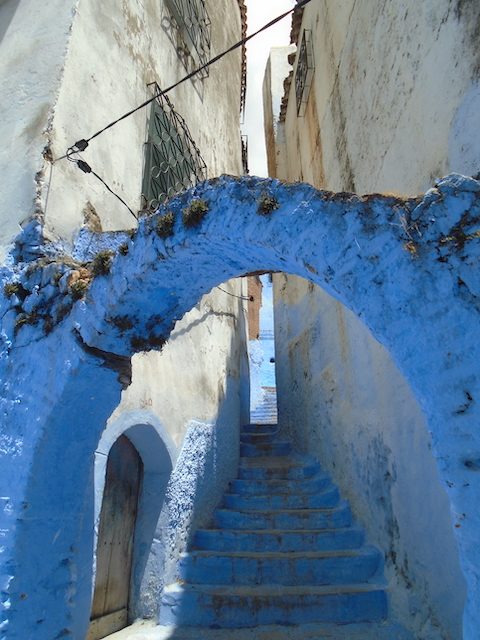
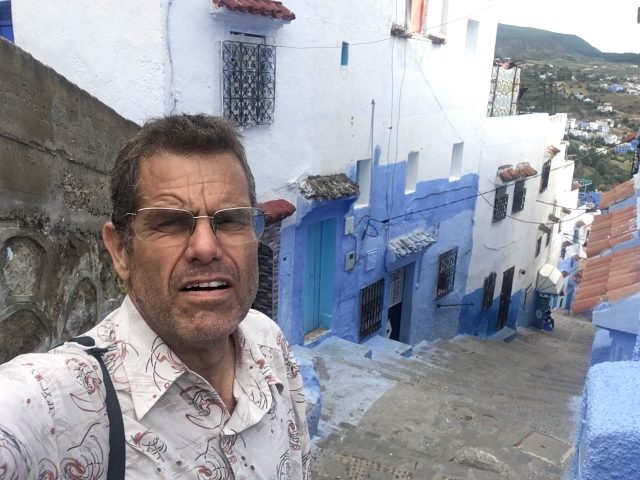
Chefchaouen, tucked away in the mountains of northwest Morocco, offers one of the country’s most distinctive visitor experiences. Known as the ‘Blue City’, much of the town is painted in varying shades of blue, creating a place that feels at times more like a film set than reality. While many visitors arrive for photos of the famous medina, spending a couple of days here reveals a slower-paced mountain town with steep alleys, panoramic views and a surprisingly relaxed atmosphere.
Chefchaouen at a glance
- Major Soviet-era steel city in central Kazakhstan
- Home to one of Central Asia’s largest steel plants
- Around 40 minutes by bus from Karaganda
- Known for heavy industry, pollution and “black snow” incidents
- A striking destination for Soviet industrial or dark tourism
Why is Chefchaouen blue?
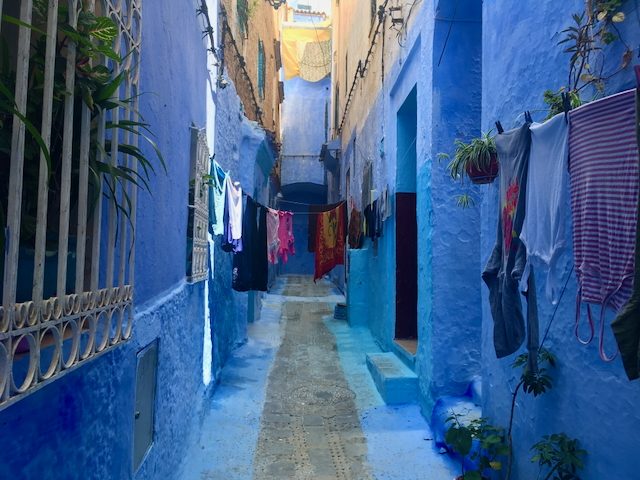
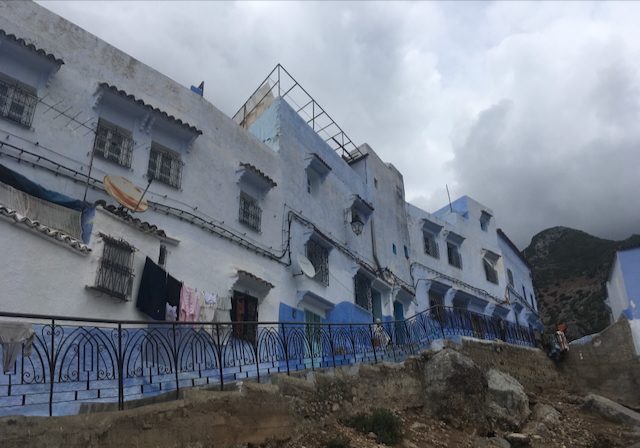
Much of the town is painted in various shades of blue, a choice influenced more by relatively recent history than ancient tradition. Founded in 1471 as a small kasbah to help defend against Portuguese incursions, Chefchaouen later became a refuge for people fleeing upheaval in Spain, helping the town prosper both culturally and economically. Although later ruled by Spain, it became part of independent Morocco in 1956 and today gives its name to the surrounding province.
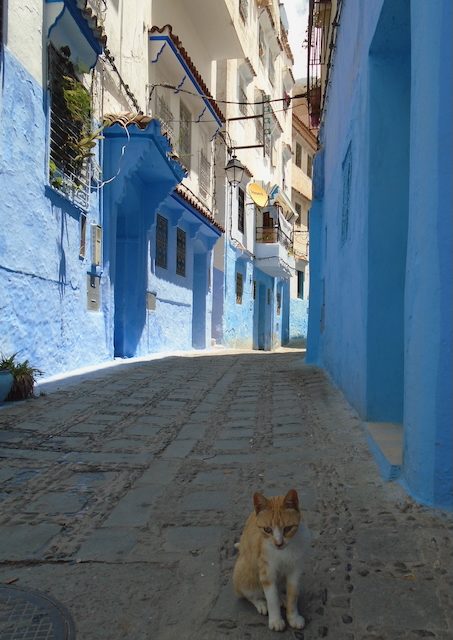
The reason behind Chefchaouen’s blue hue is not definitively known, but several plausible theories exist. It is likely a combination of factors that gradually transformed the town into a sea of blue rather than one sudden decision. One widely accepted explanation links the tradition to the town’s Jewish community, who are believed to have painted buildings blue as a religious symbol representing the sky and a connection to heaven. Over time, more residents adopted the colour, and in later years the blue identity also became an obvious draw for tourism.
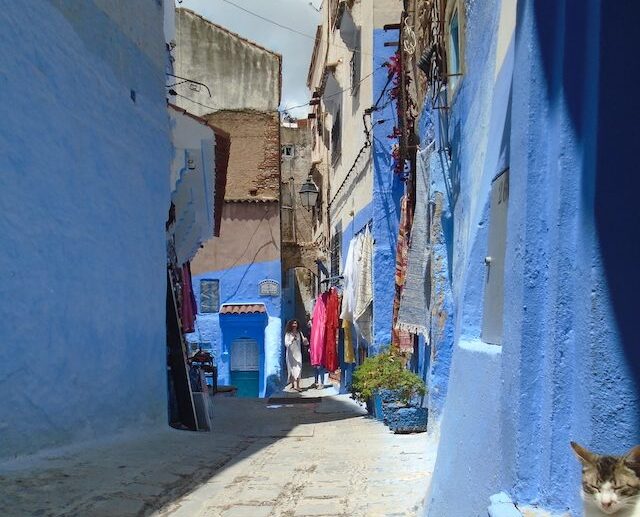
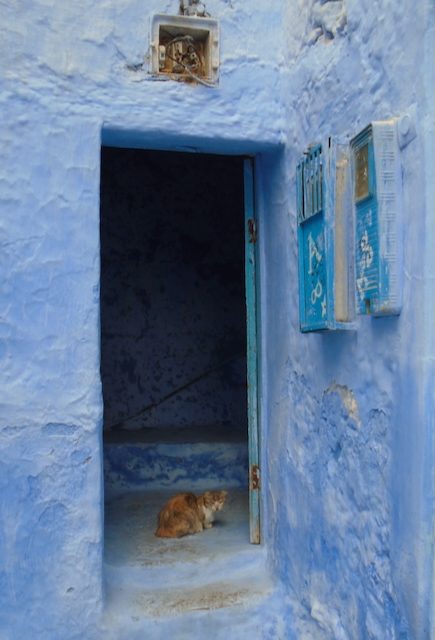
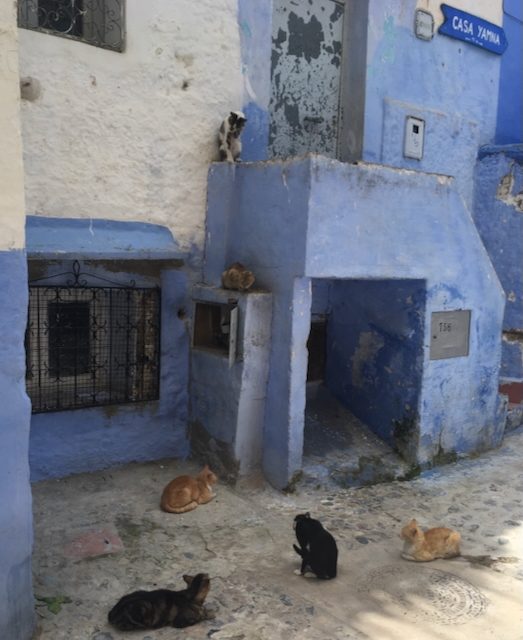
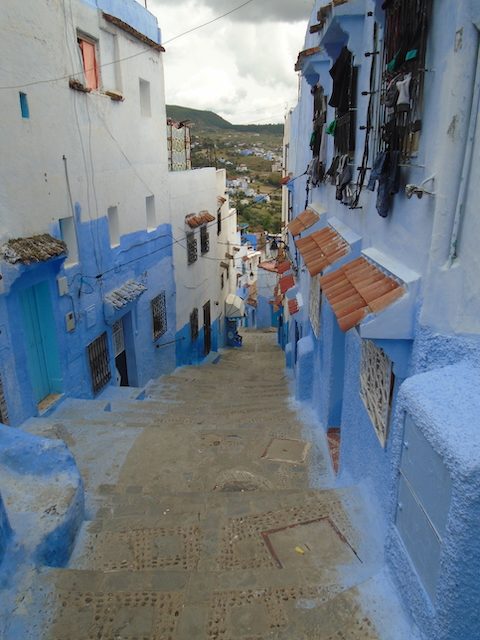
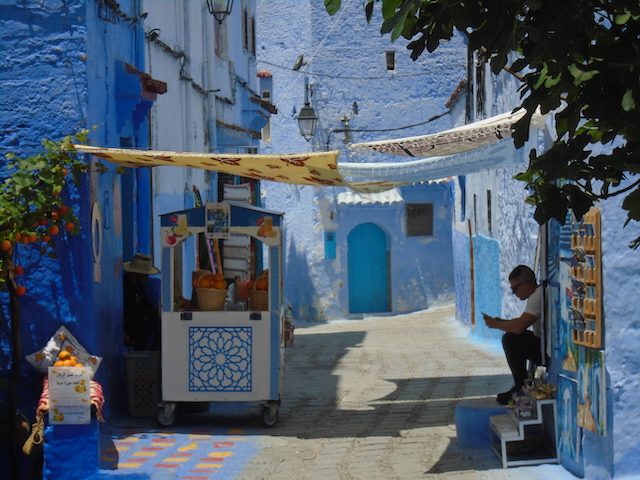
The historic medina showcases the most vibrant shades, while newer parts of town also feature touches of blue, albeit to a lesser extent. In spring, just before the main tourist season begins, many homes in the centre are repainted. It is nearly impossible to take a bad photo here, and the entire town, along with its many cats, often feels perfectly curated for Instagram.
Beyond the blue medina
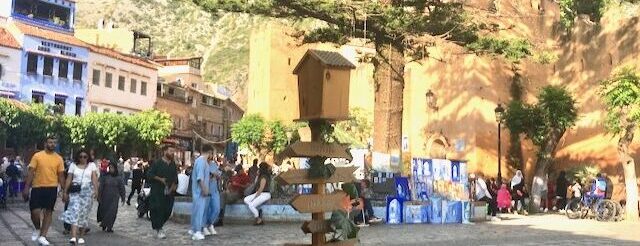
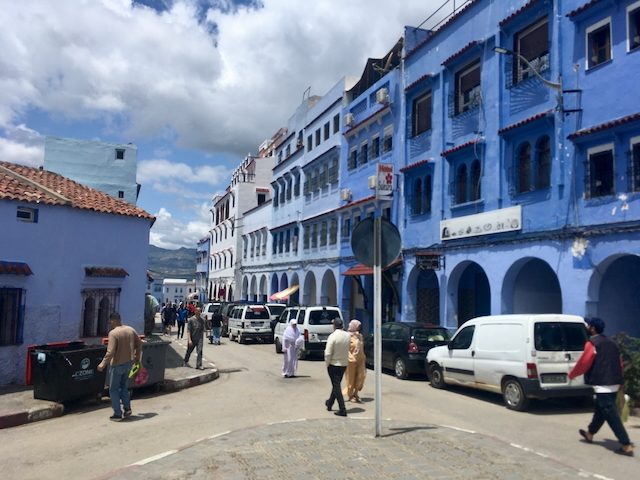
The city features a medina, the historic walled town that serves as the main attraction for visitors, alongside a newer area that has developed outside the old city walls. The municipality has a population of approximately 46,000. Agriculture remains important to the wider Chefchaouen province, particularly olive cultivation and pastoral farming. Tourism is highly seasonal, and beyond its famous blue buildings, the surrounding region is also known for cannabis cultivation in the nearby Rif Mountains.
A slower pace of life
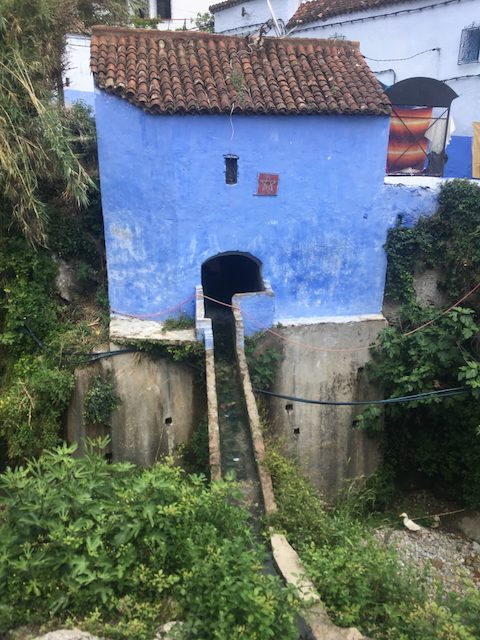
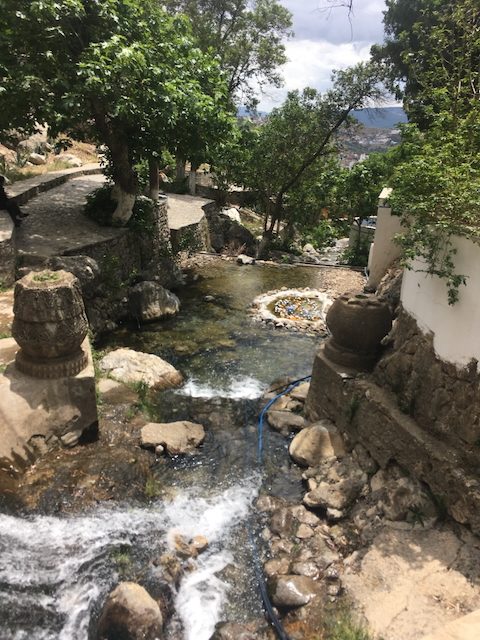
Chefchaouen sits around 600 metres above sea level in the foothills of the Rif Mountains, where summer evenings bring a welcome coolness. It is definitely worth spending a couple of days here, not just to explore the tourism-focused medina but also to wander through the steep streets and viewpoints overlooking the town and surrounding mountains.
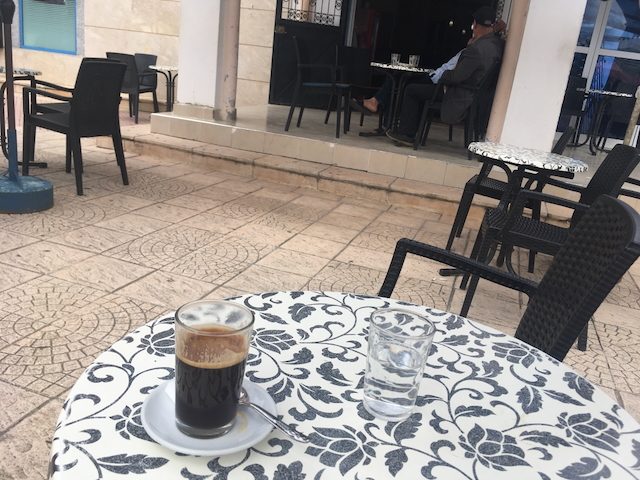
There are plenty of restaurants aimed at visitors, particularly around the medina, although prices can vary noticeably, so it pays to compare menus. Typical Moroccan cafés are also plentiful and provide a welcome break after a long day of walking.
How many days in Chefchaouen?
While some visitors treat Chefchaouen as a day trip from Tangier or Fes, staying at least two nights is worthwhile. The medina becomes noticeably quieter after day-trippers leave, and the softer evening light makes the town especially photogenic. Extra time also allows for slower wandering through the hillsides and viewpoints surrounding the town.
Where to stay in Chefchaouen
There are around 200 hotels and guesthouses in town, though many are small homestays or boutique-style properties with relatively few rooms. Like much of Morocco, a popular accommodation style is the riad, a traditional Moroccan house or palace often centred around an inner courtyard. The town has no major international hotel brands, although one of the more luxurious options is the Taj Chefchaouen Luxury Hotel and Spa [map], despite having no connection to the Indian Taj brand.
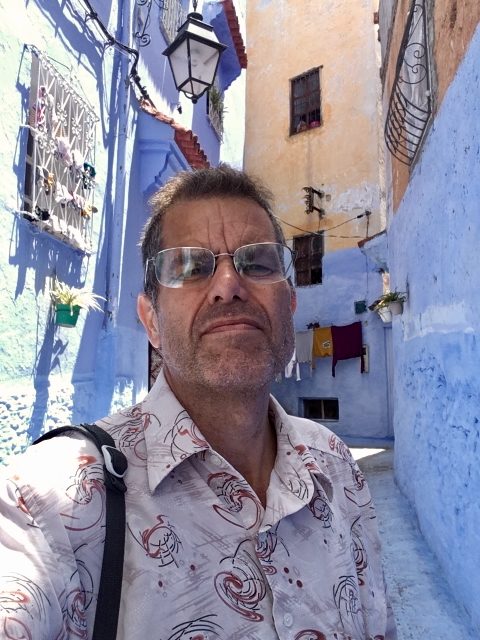
Most visitors will want to stay either inside or just outside the medina. Staying within the blue-painted old town provides the most atmospheric experience, though be prepared for steep stairs, narrow alleys and occasional noise from tourists or the call to prayer. Accommodation outside the medina is often easier to access by taxi and can offer larger rooms and mountain views. I personally preferred staying outside the medina, where rates were cheaper and it was still only a pleasant, if slightly steep, 15-minute walk into the centre.
Property and lifestyle in Chefchaouen
There are apartments and individual homes for sale both in the town centre and on the outskirts of Chefchaouen, with regulations for foreigners purchasing residential property generally quite relaxed. Prices typically range from around €500 to €1,500 per square metre, depending on location, views and property quality. Lower prices are generally found in apartments outside the medina, while higher figures are often attached to properties within the old town, particularly those with potential to be converted into a riad-style guesthouse.
For some, this presents an attractive opportunity for a holiday home, especially given that winters here are milder than in much of Europe. Property ownership may also assist with obtaining longer-term residency in Morocco. At present, however, the market appears to be driven mainly by local buyers and remains relatively illiquid.
How to get to Chefchaoeun
Reaching Chefchaouen is relatively straightforward by bus, even though there are still no train connections. Most visitors arrive from Tangier and continue onwards to Fes, or vice versa, much as I did. The journey from Tangier takes around two to three hours, depending on traffic and whether a change in Tetouan is required, which can add a little extra time. Fes is around four to five hours away by direct bus.
I travelled with CTM buses during my time in Morocco and found them reliable, comfortable and reasonably priced. Their website can be found here, although it can be slightly frustrating to navigate as it is only available in French.
One thing worth keeping in mind is that the bus station sits in the lower part of town [map], while much of the accommodation, particularly around the medina, is located higher up the hillside. A taxi is probably the easiest option, although if you are travelling light, the walk is perfectly manageable, if a little steep, as I discovered. Once in town, getting around is easy, though expect plenty of uphill walking.
Tonys' takeaway
Given Chefchaouen is reasonably convenient to reach by bus from both Tangier and Fes, the small and picturesque town is very much worth a visit, especially if your Instagram feed has been looking a little sparse. The centre can feel touristy at times, but nowhere near the same extent as the medinas of Fes or Marrakech. Outside the blue-painted medina, the town also offers pleasant walks where a more authentic glimpse of Moroccan mountain life can still be found.
With Morocco’s tourism industry booming and the country welcoming a record 19.8 million international visitors in 2025, up 14% on 2024, places like Chefchaouen may not stay quite so relaxed forever. So perhaps get there before the backpacks begin blocking the blue!